
If your upstairs is too hot in July and too cold in January, the cause is almost always above the ceiling. You can find out a lot about your home’s heat loss in a single weekend, and fix some of it yourself. The rest is quick work for a crew.
Here is a simple plan: what to check on Saturday, what to fix on Sunday, and what to hand to a professional.
Saturday morning: inspect
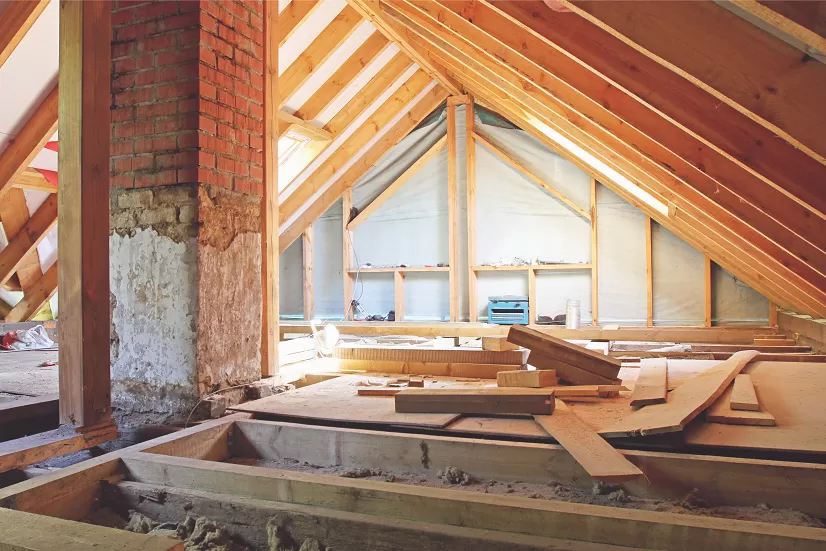
Look in the attic. Open the hatch with a flashlight. You are looking for three things: insulation that sits at or below the top of the joists, bare or thin patches, and anything dark, damp or matted. Our list of signs your Newmarket attic needs an upgrade before winter has the details.
If you see loose, pebbly, grey-brown granules, stop. That may be vermiculite, and Natural Resources Canada advises not disturbing it.
Walk the house. Hold the back of your hand near outlets on exterior walls, window trim, the attic hatch and the door to the garage. Note where you feel moving air.
Check the eaves from outside. Soffit vents should be visible and unpainted. After a snowfall, uneven melting on the roof points to heat escaping.
Saturday afternoon: the cheap fixes
- Weatherstrip the attic hatch and exterior doors.
- Caulk gaps at window and door trim.
- Replace the furnace filter.
- Move anything that is covering a register or return grille.
Natural Resources Canada’s materials guide lists the right weatherstripping for each location.
Sunday: decide what the attic needs
Match what you saw to the fix.
| What you found | What it means | The fix |
|---|---|---|
| Joists showing | Not enough depth | Attic insulation top-up |
| Insulation pushed into the eaves | Blocked ventilation | Baffle installation |
| Damp, dark or matted areas | Moisture damage | Insulation removal and a moisture fix |
| Drafts through the house | Air leakage | Attic air sealing or AeroBarrier |
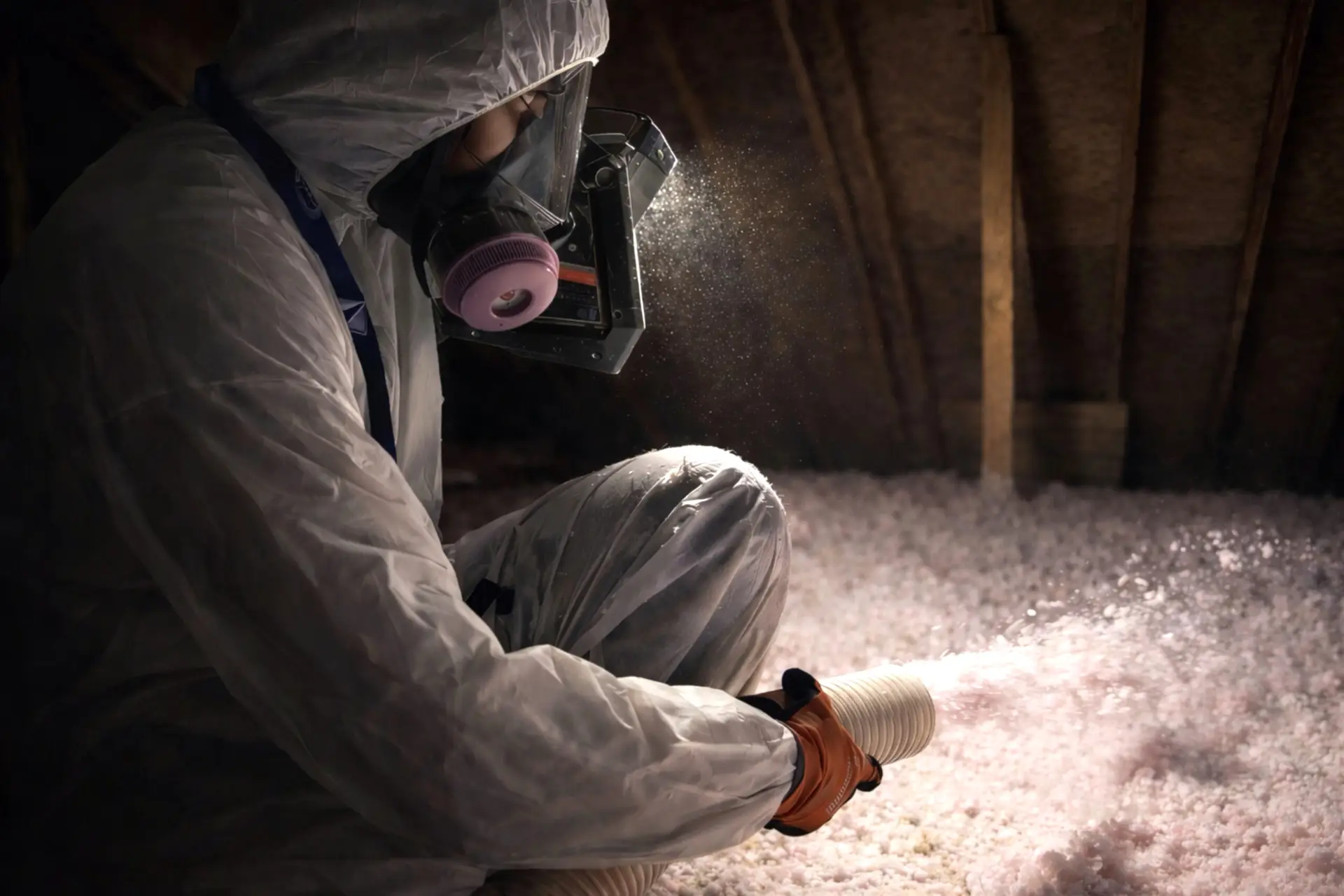
For top-ups we install cellulose or fibreglass blown-in insulation. On moisture, see attic mould and insulation removal in Newmarket.
Why air sealing belongs on the list
It is tempting to skip straight to adding insulation. Natural Resources Canada’s Roofs and attics guide warns against that: air leaks around chimneys, vents, pipes and electrical boxes can account for substantial heat loss, and the warm, moist air they carry can cause problems in a colder, better-insulated attic.
Beyond the attic
If the attic checks out and the house is still cold, look lower. Natural Resources Canada notes that basements can lose more heat than a typical attic. See where spray foam actually pays off in a family home, our spray foam insulation page, and garage ceiling insulation for the room over the garage.
Old house or new house?
Both can be under-insulated, for different reasons. We explain in Newmarket’s two housing stories and what they mean for your attic and in why your upstairs is never the right temperature.
The numbers
The U.S. EPA estimates average savings of 15% on heating and cooling from air sealing and adding insulation in attics, crawl space floors and basements (ENERGY STAR). It is a modelled U.S. average, so use it as a guide only. Before you commit, run the rebate numbers and check our energy rebate page.
Monday: make the call
Send us what you found and we will confirm it in person. Contact us for an estimate.